You've probably seen the little OEKO-TEX® label on clothing tags and wondered what it actually means. Is it about the environment? Is it organic? Is it just marketing?
Here's the plain-language version, and why it matters for the pieces you wear closest to your skin, from lounge sets and robes to cardigans and menswear.
Why It Matters What Your Fabric Is Made With
Think about how many hours a day you spend in loungewear. Weekend mornings in a robe, evenings on the couch in a lounge set, a cozy layer on the school run. Those pieces sit right against your skin, often when you're warm, and sometimes when skin is extra sensitive. It's reasonable to want to know what's in them.
What OEKO-TEX® STANDARD 100 Actually Is
OEKO-TEX® STANDARD 100 is an independent certification for textiles. To earn it, a product is tested by an independent lab against a long list of substances known to be harmful to health. The list of tested substances and their limits is reviewed and updated every year, and certificates must be renewed annually.
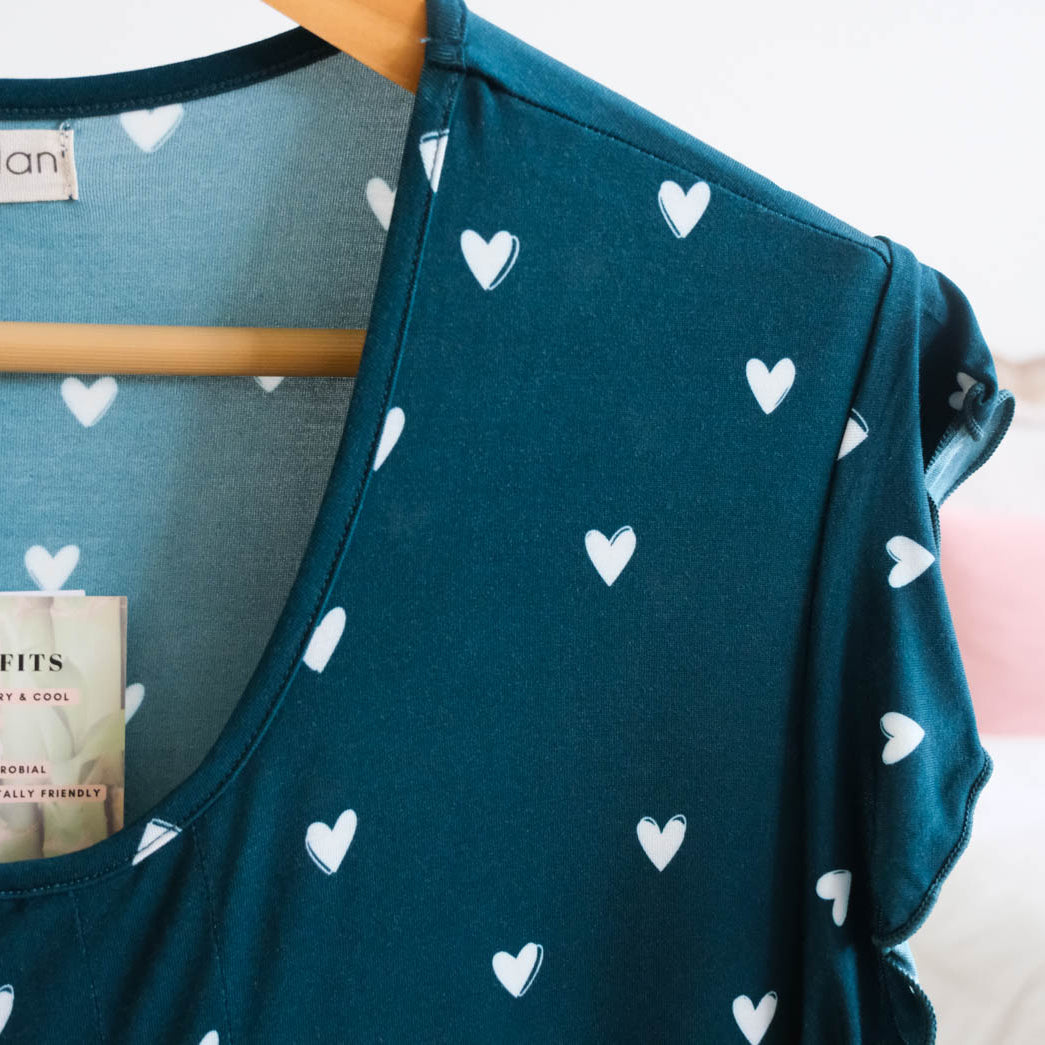
Importantly, it's the finished article that's certified. That means every component is tested, not just the main fabric: the thread, buttons, elastic, zippers, lace and even the printed labels.
What the Product Classes Mean
STANDARD 100 has four product classes, and the stricter the class, the tighter the limits:
- Class I: articles for babies and toddlers. The strictest limits of all.
- Class II: articles worn with a large part of their surface against the skin.
- Class III: articles with little or no skin contact.
- Class IV: decorative materials, like curtains.
So when a garment for adults is certified to Class I, it has been tested to the same limits set for baby articles.
What It Doesn't Mean
It's worth being clear: STANDARD 100 is about testing for harmful substances. It isn't an organic certification, and it isn't an environmental or sustainability label. Those are covered by different certifications. We'd rather you know exactly what the label does and doesn't promise.
How to Check a Certificate Yourself
Every certificate has a number, and you can look it up on the OEKO-TEX® website to see who holds it, what it covers and whether it's currently valid. If a brand lists a certificate number, it's always worth a quick check.
Our Certified Pieces
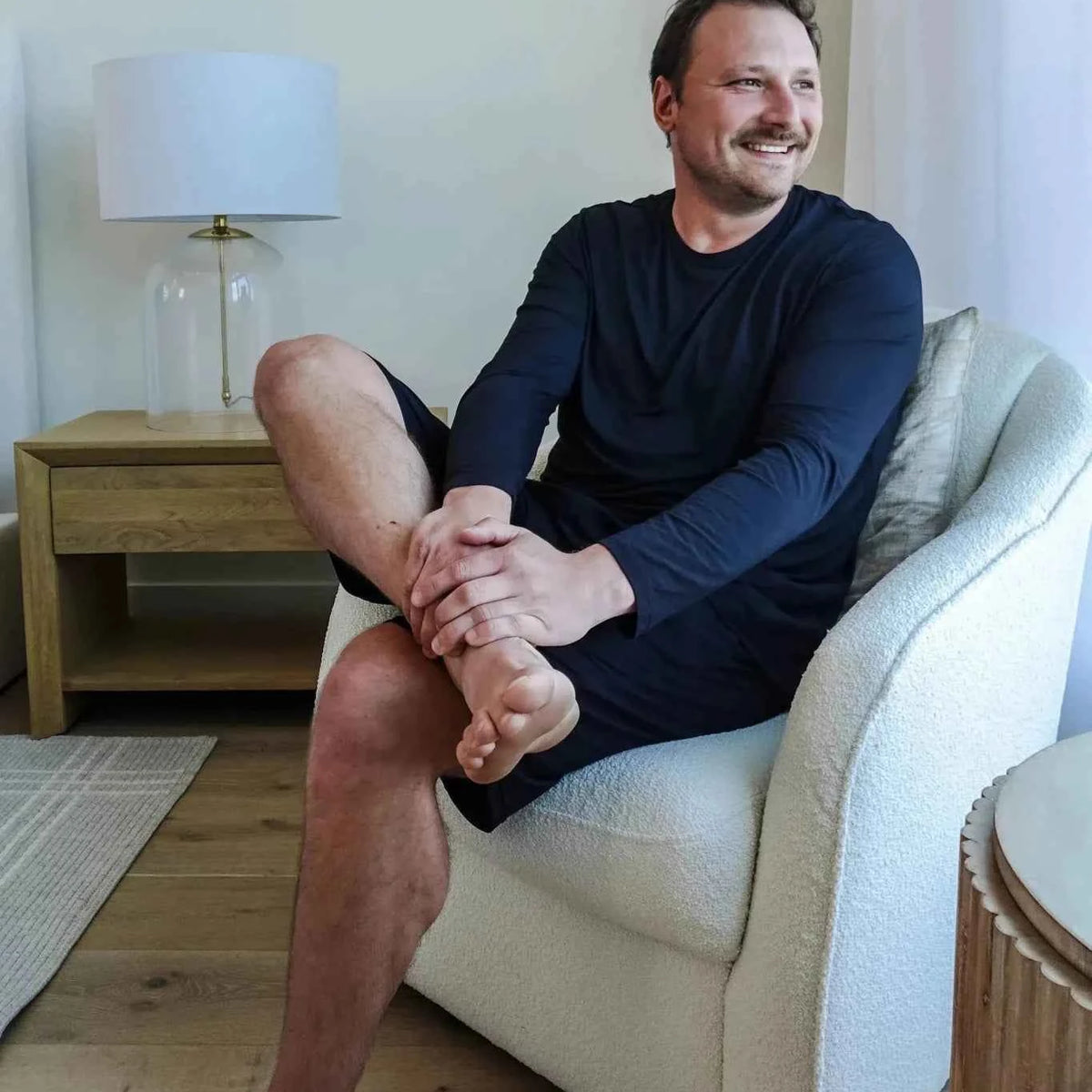
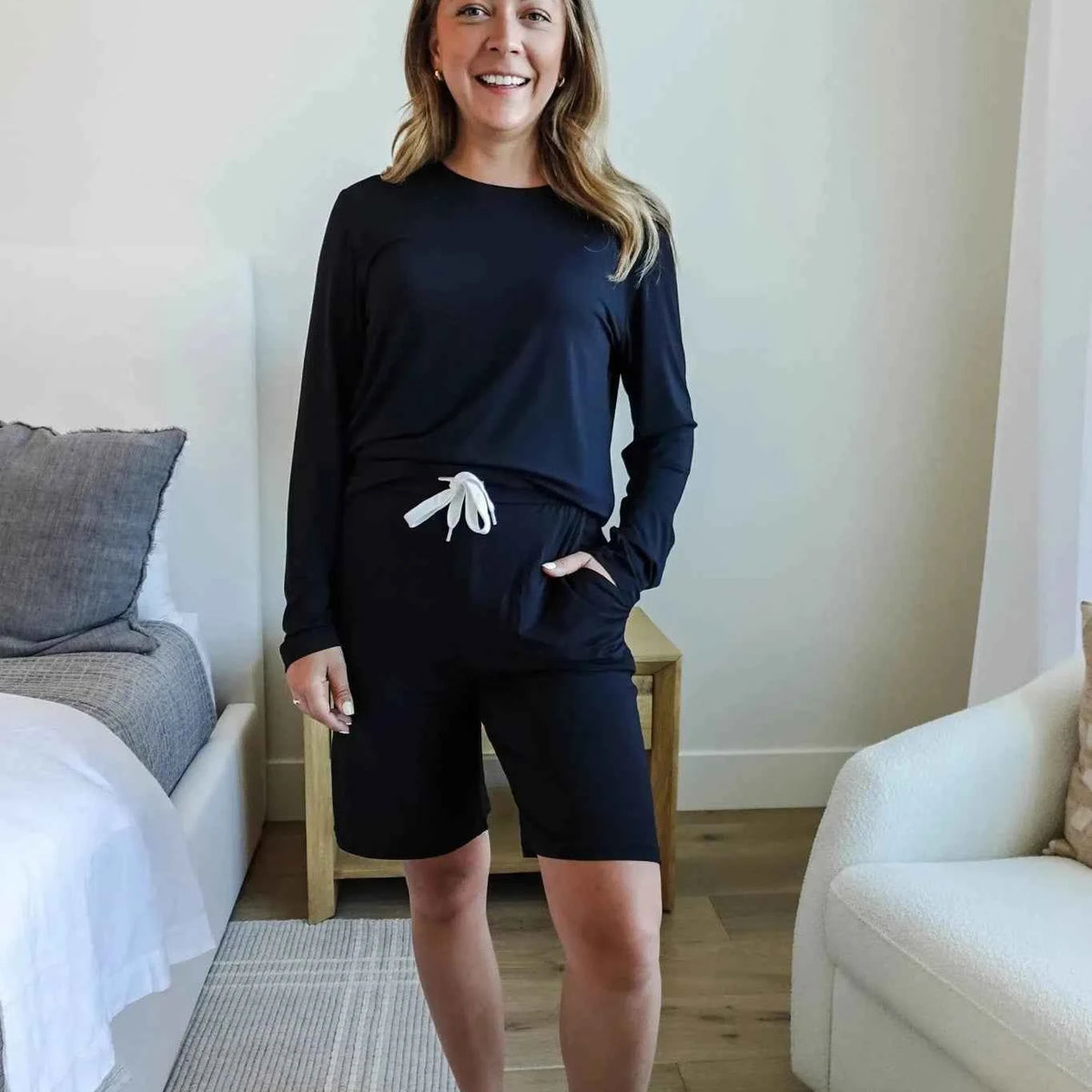
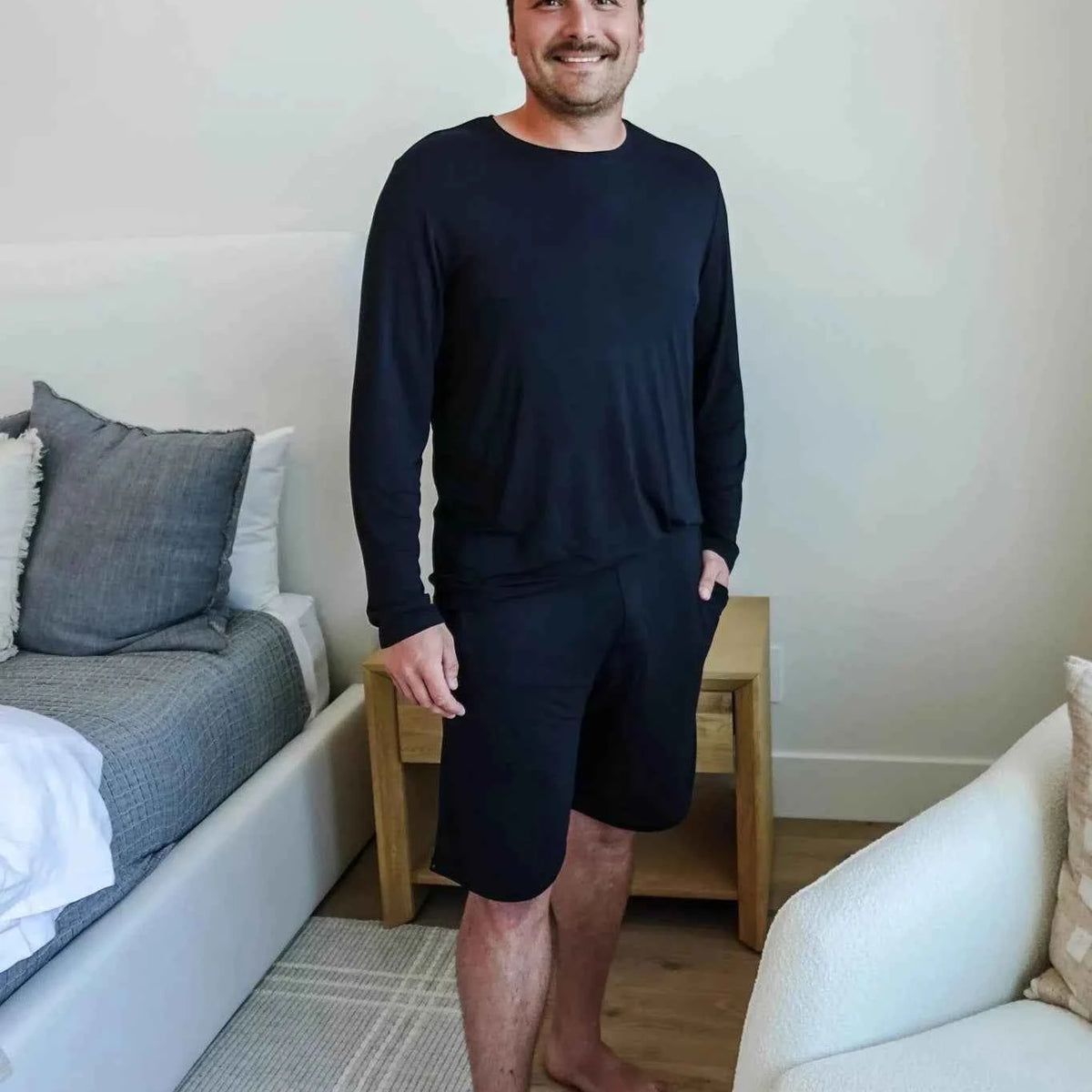
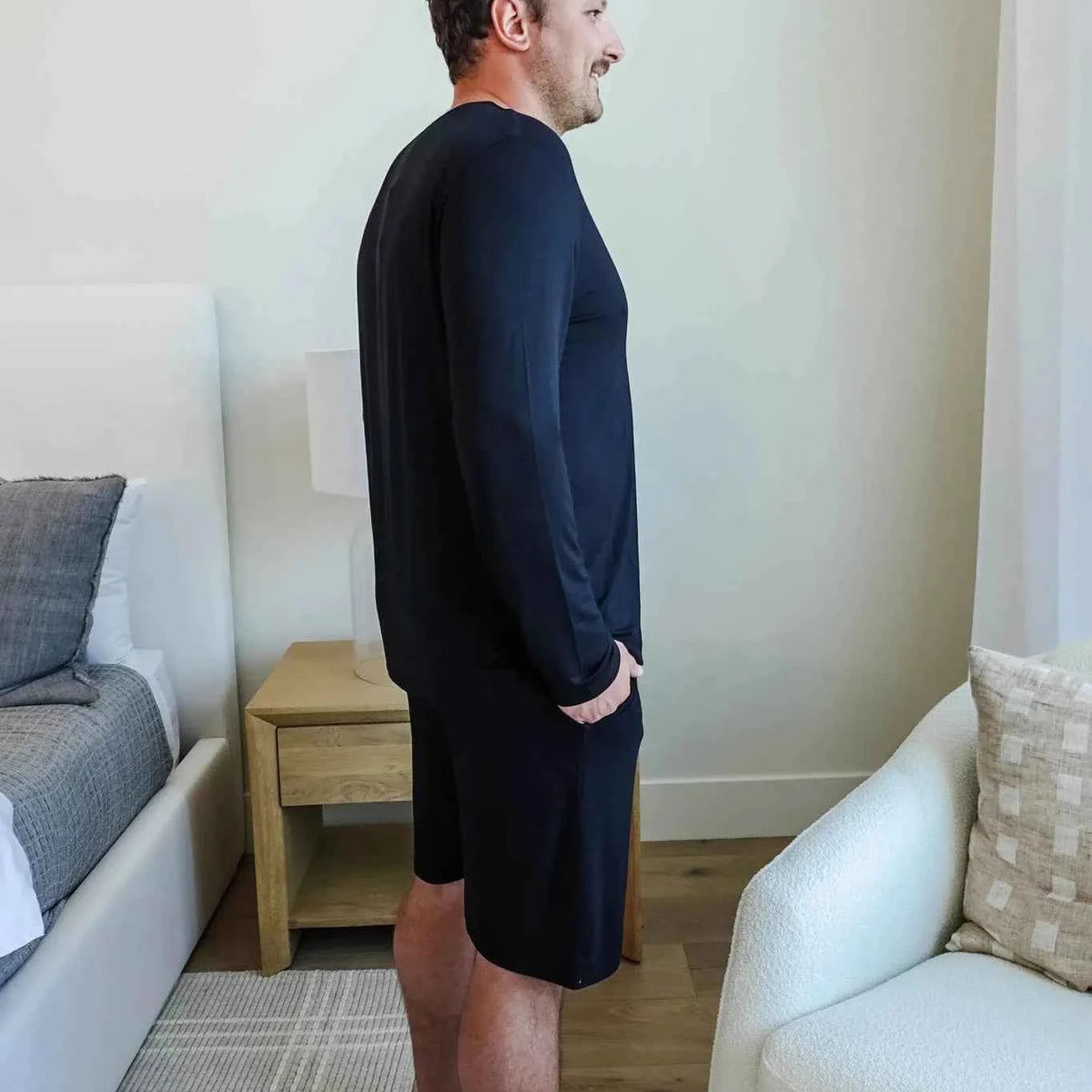
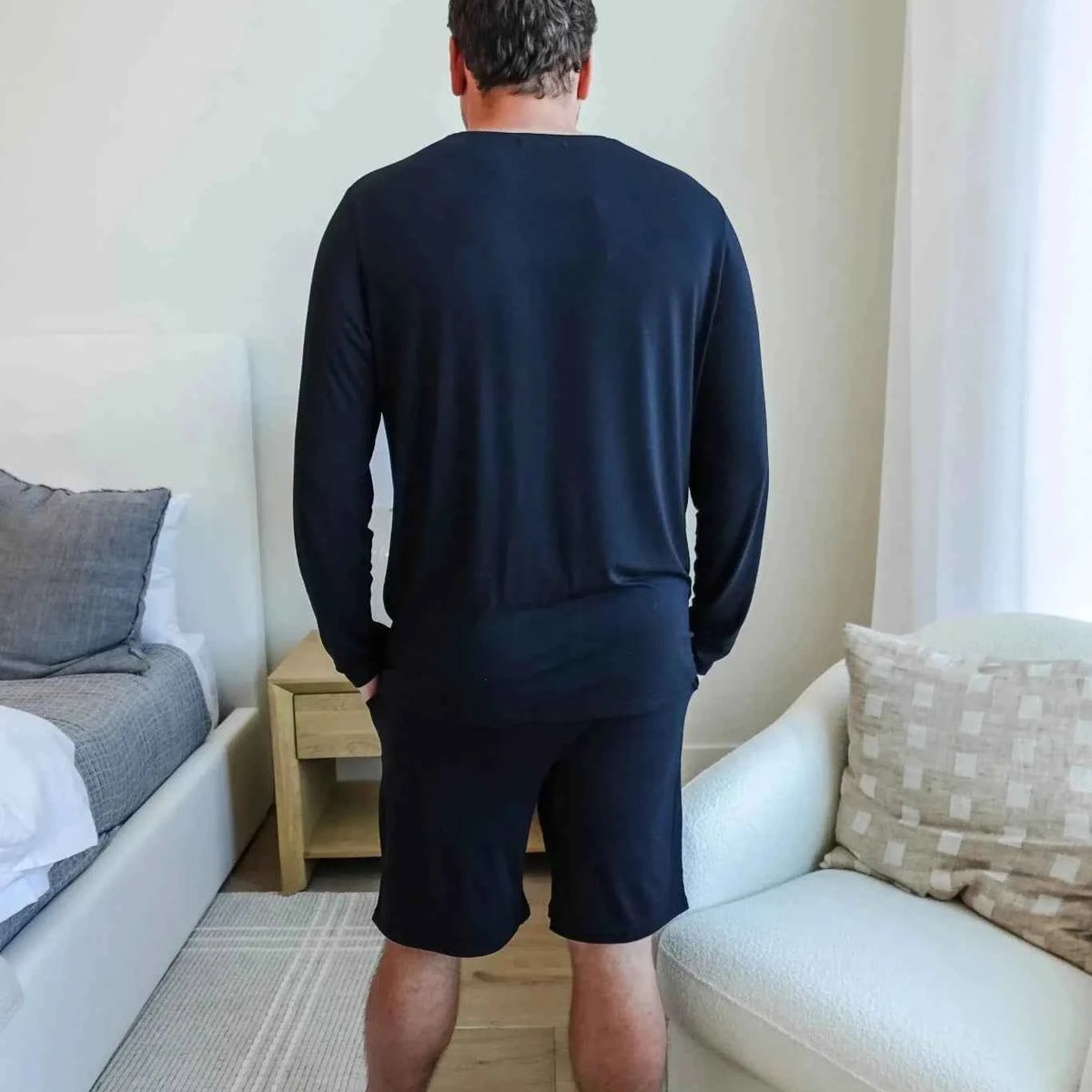
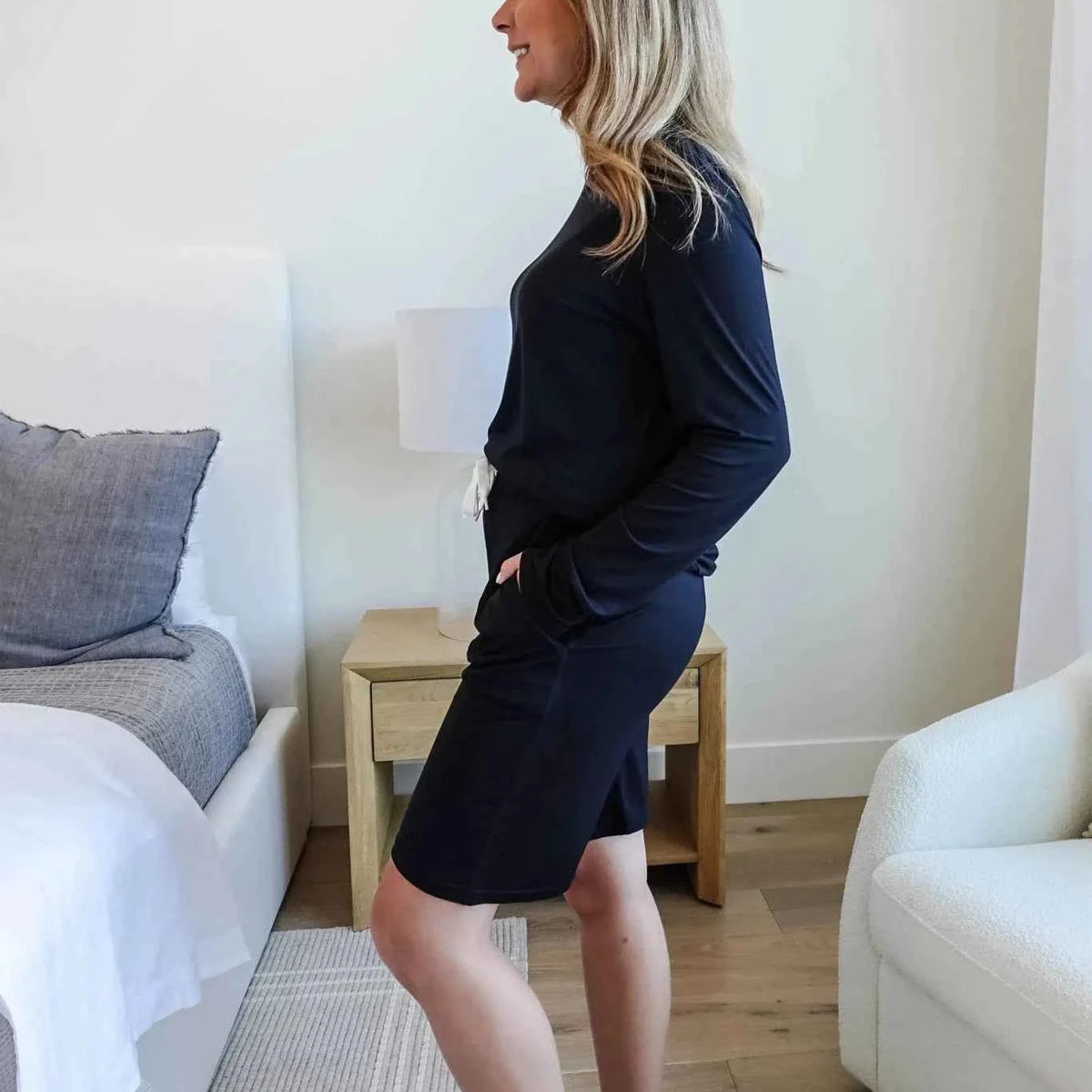
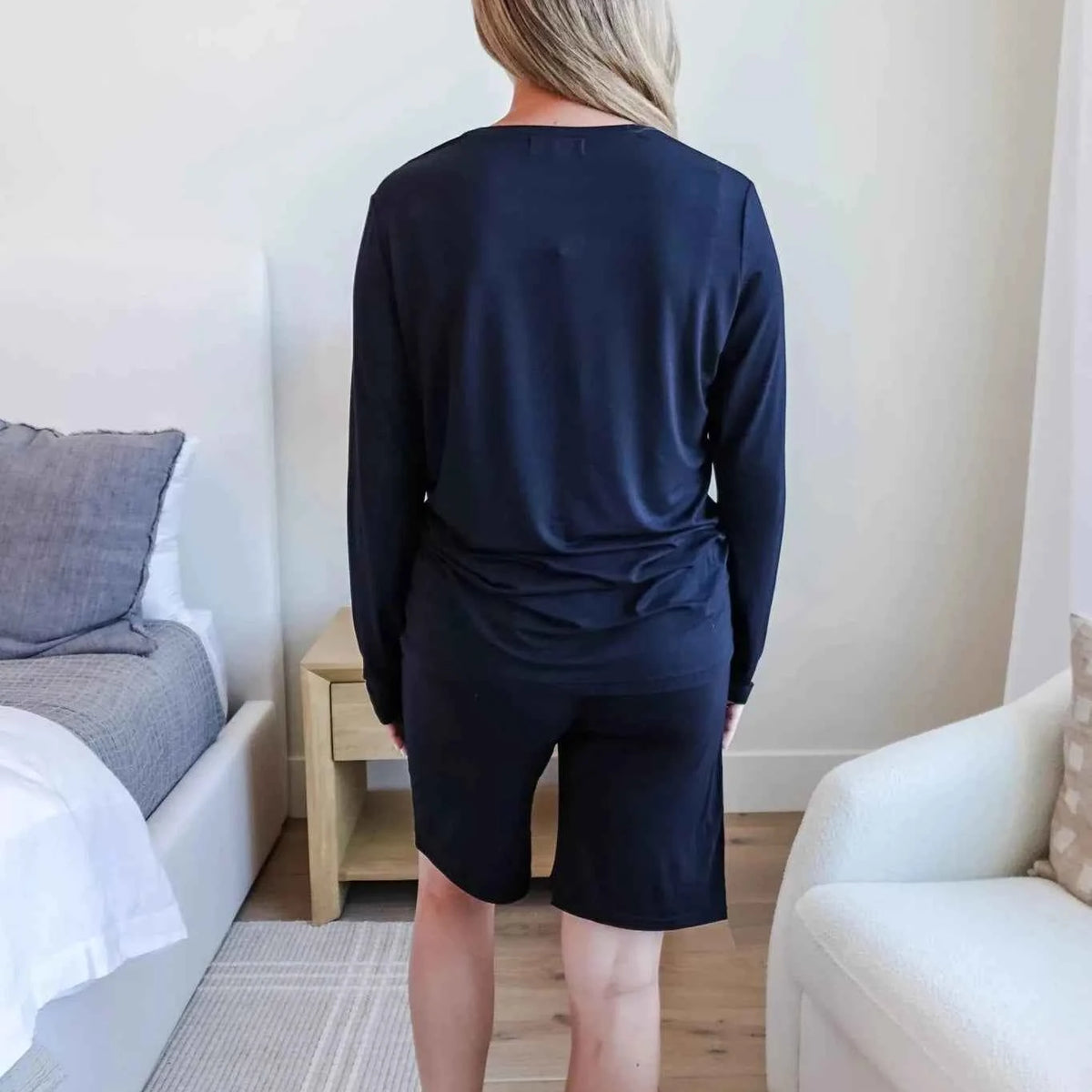
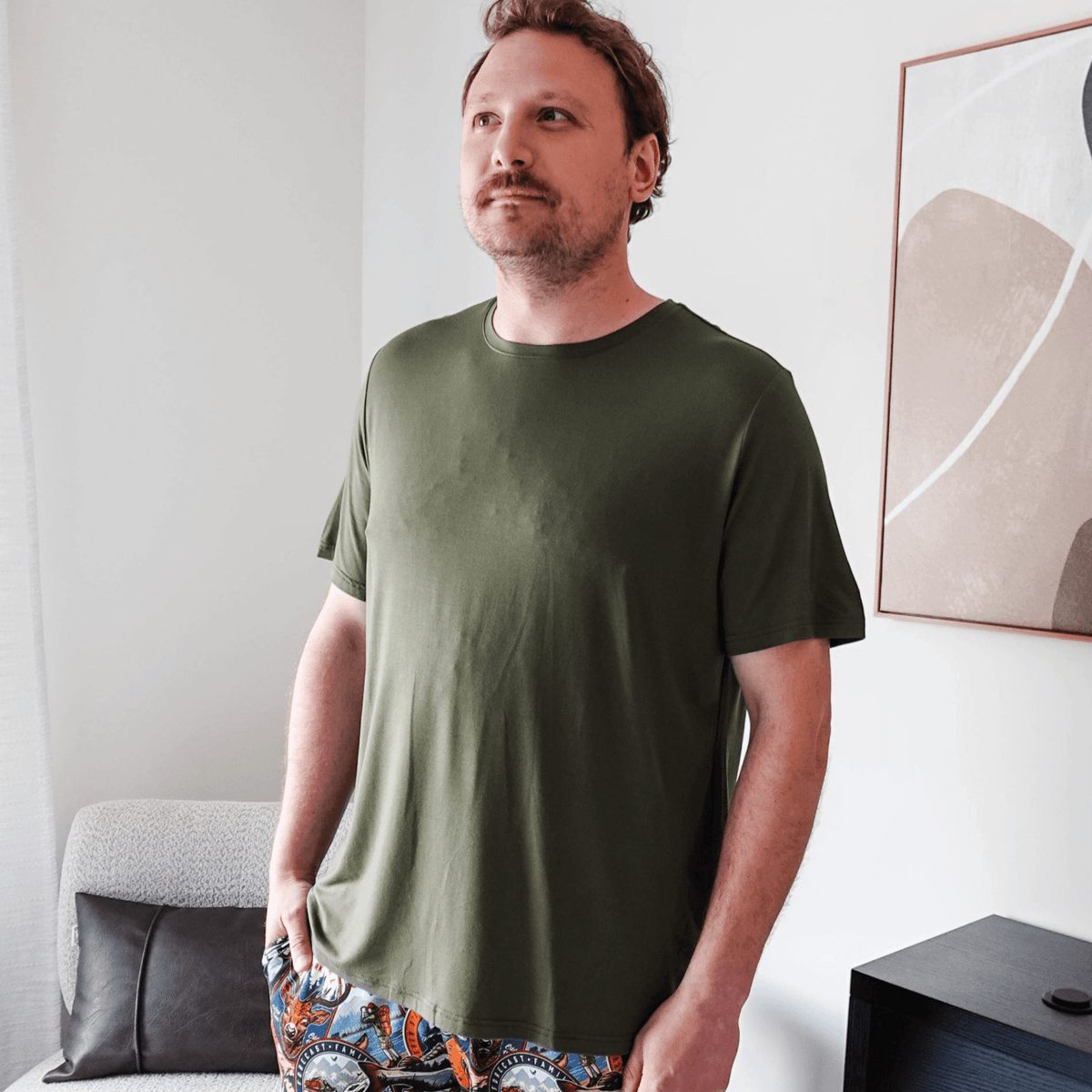
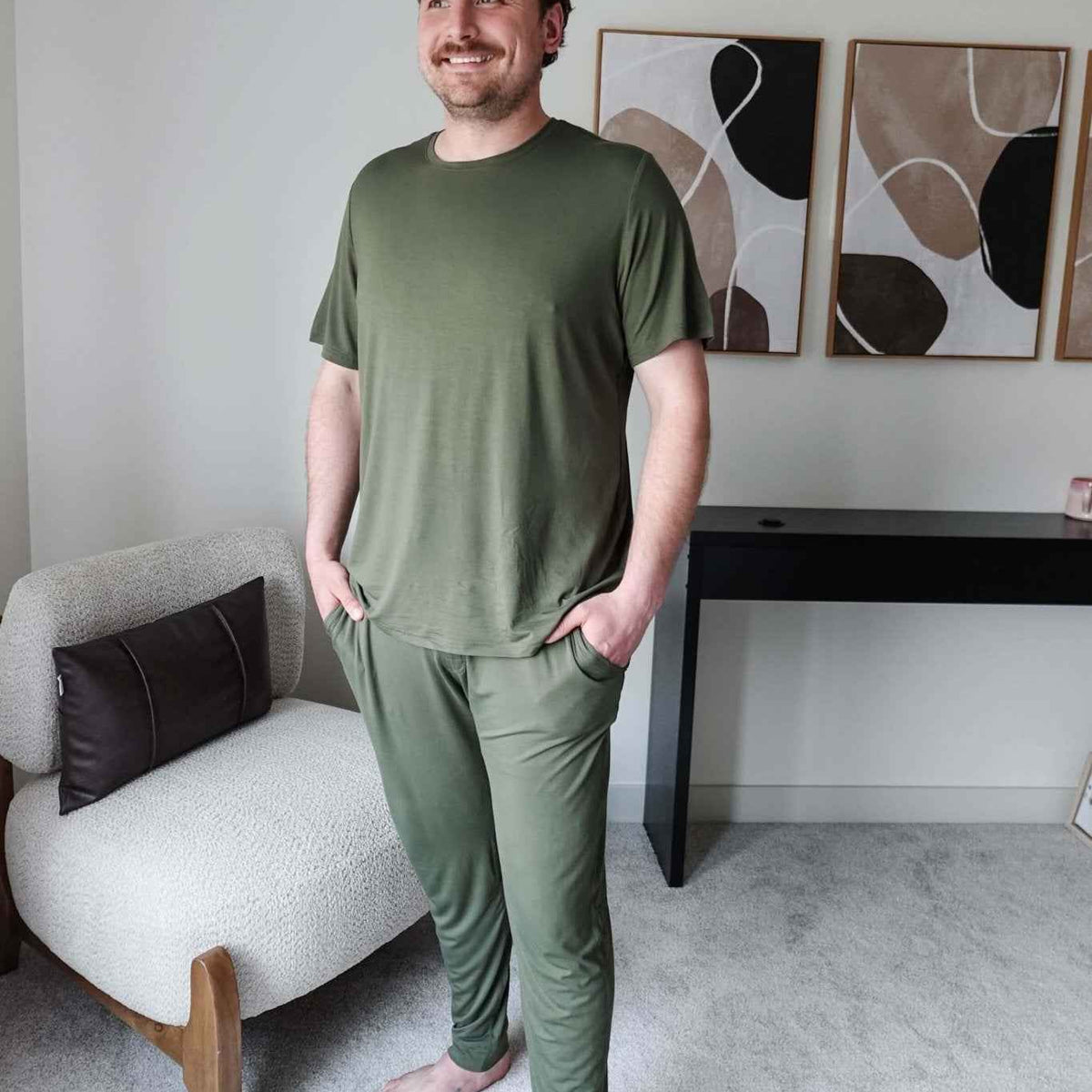
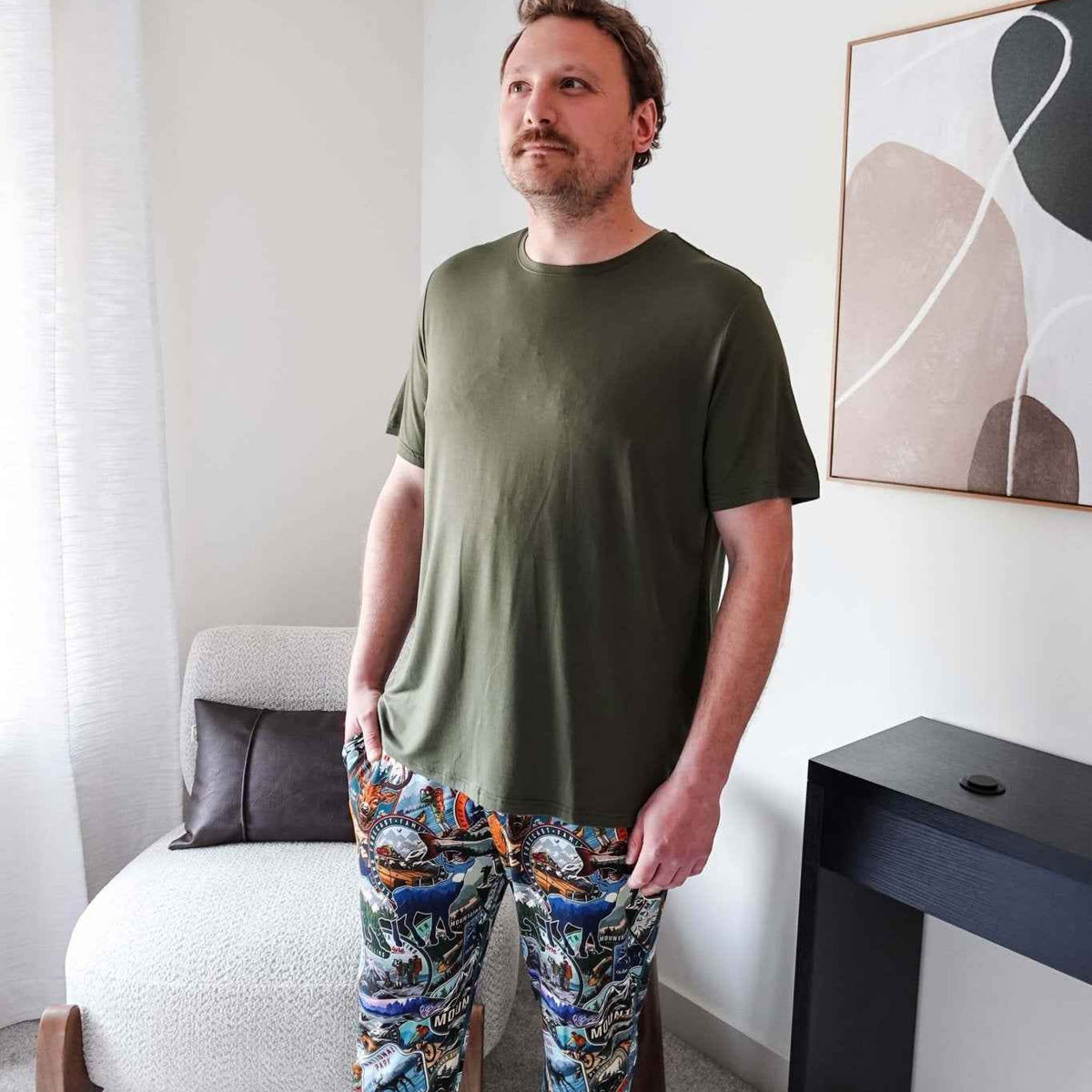
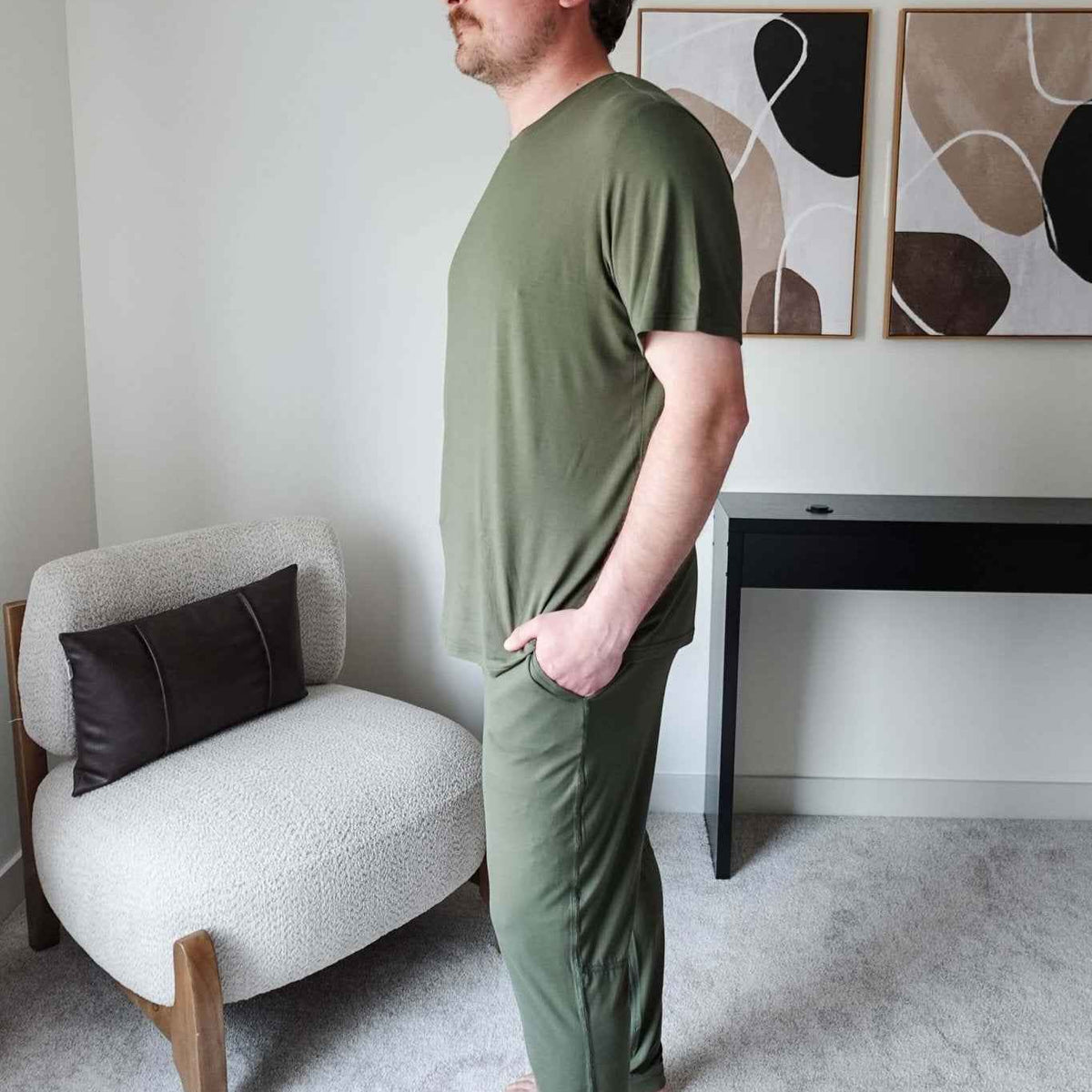
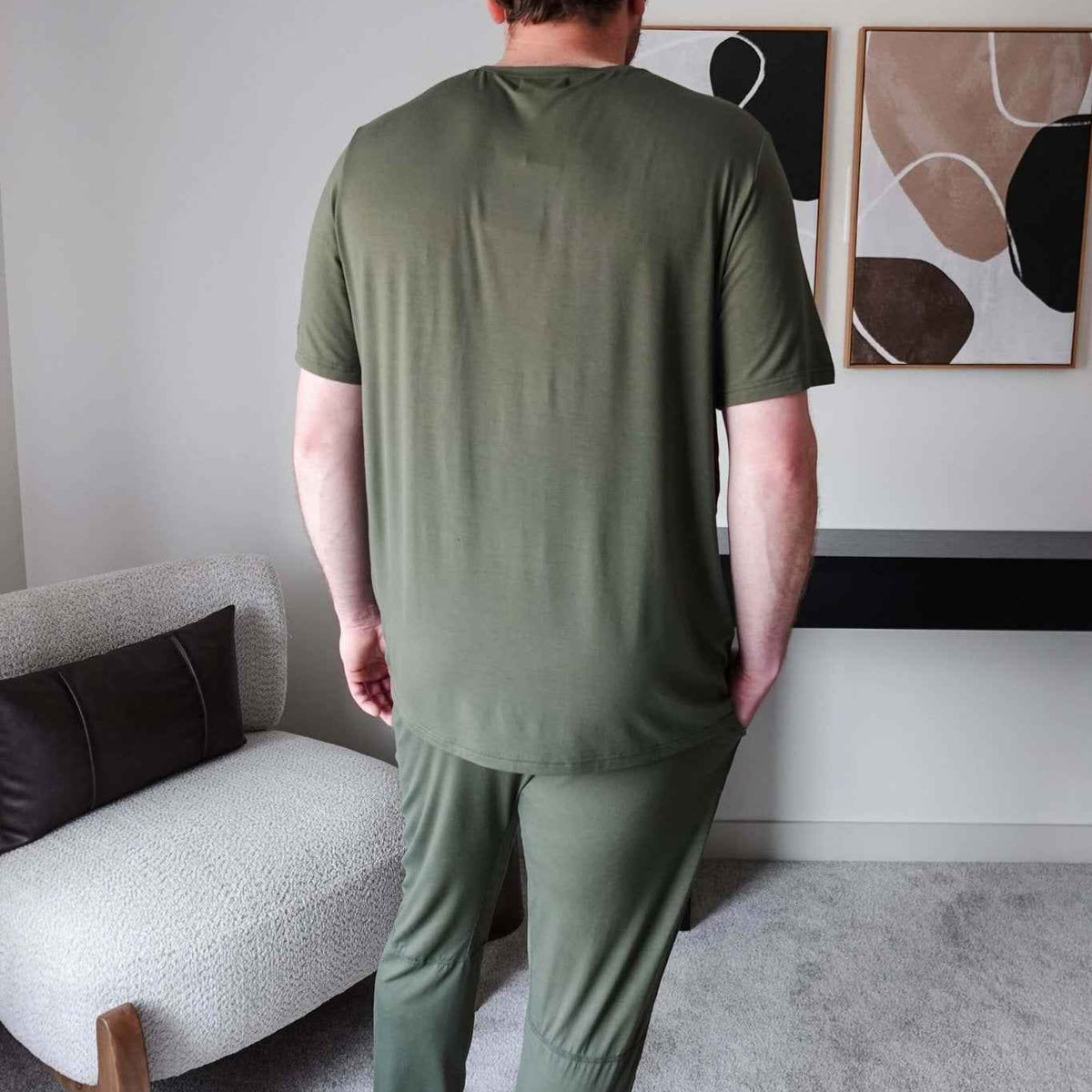
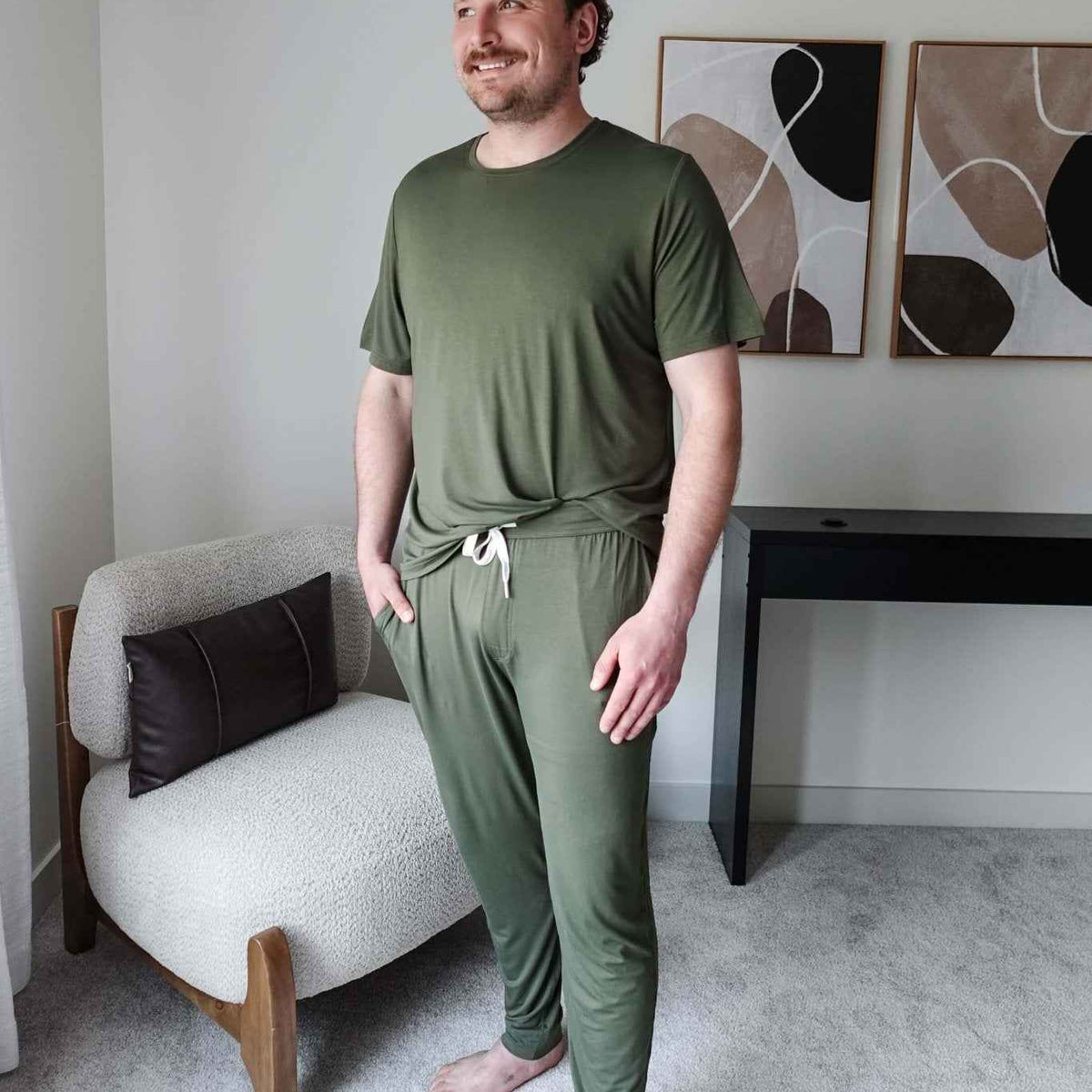
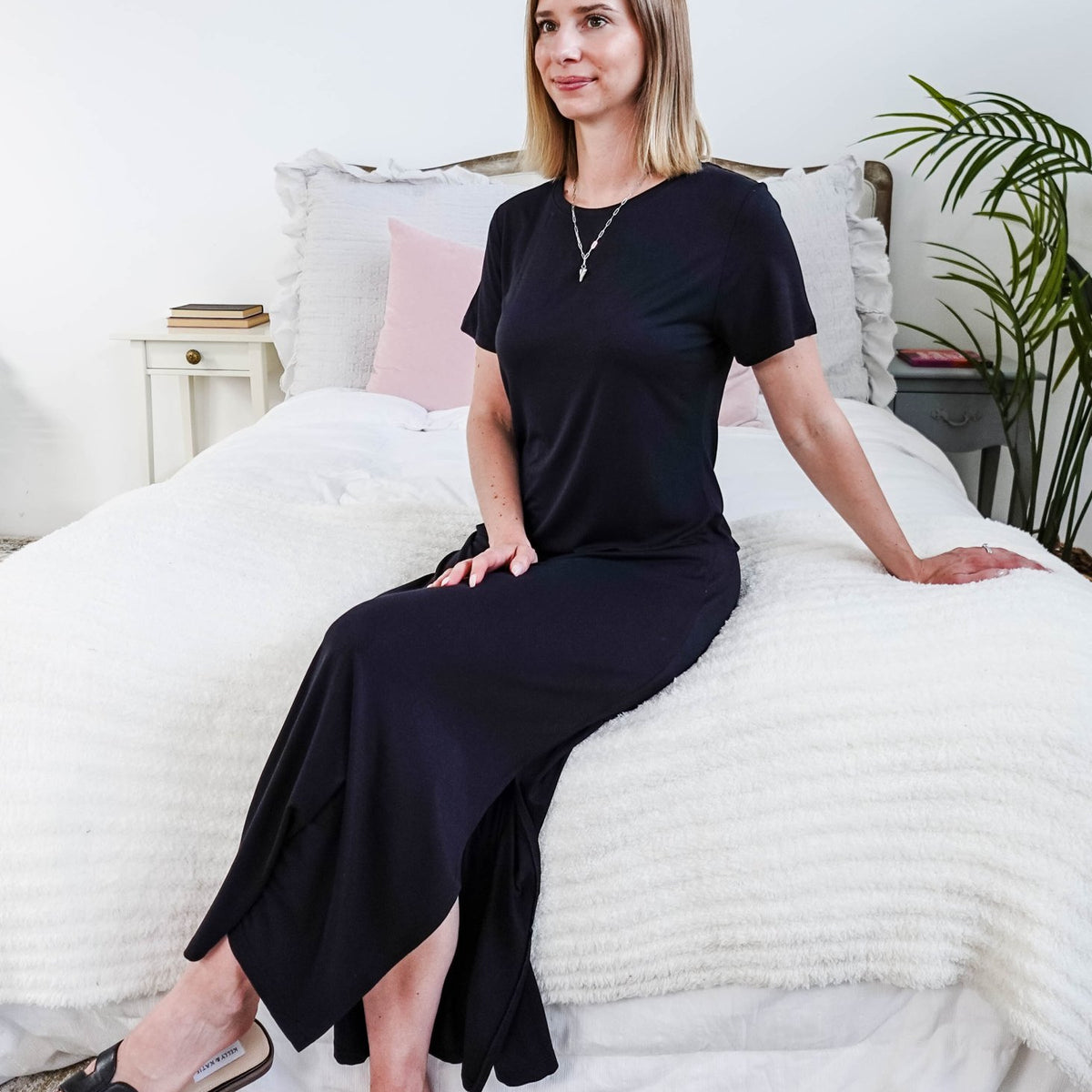
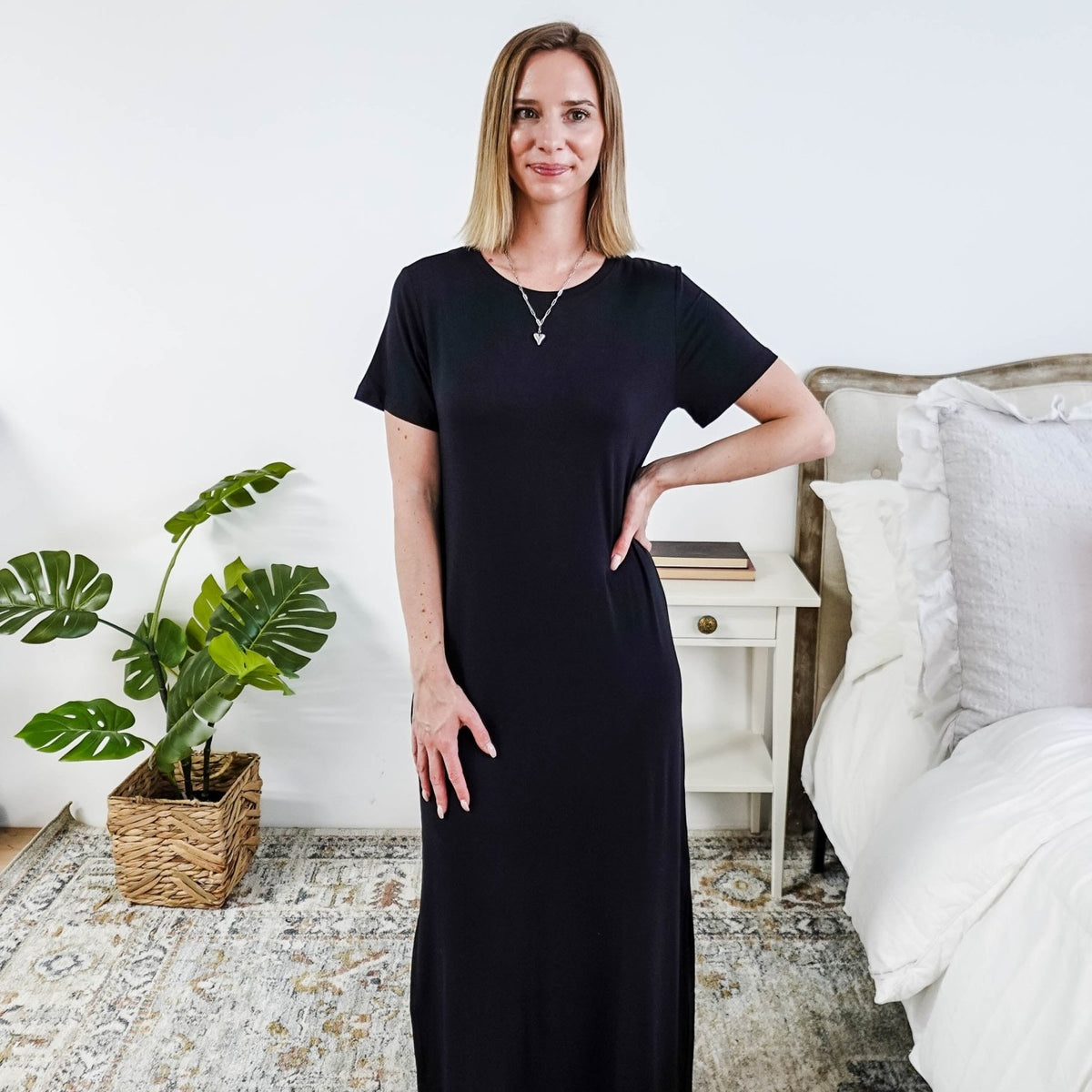
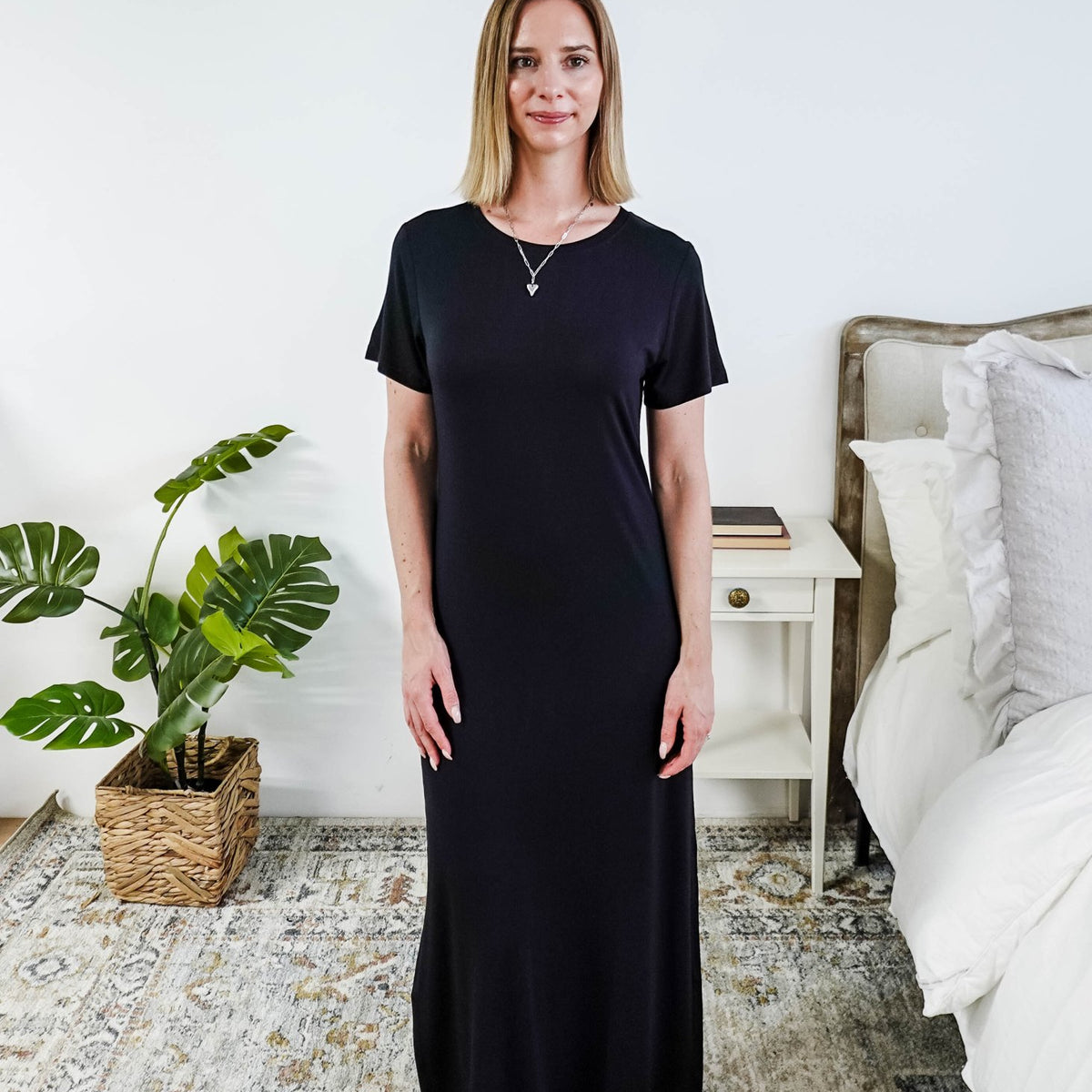
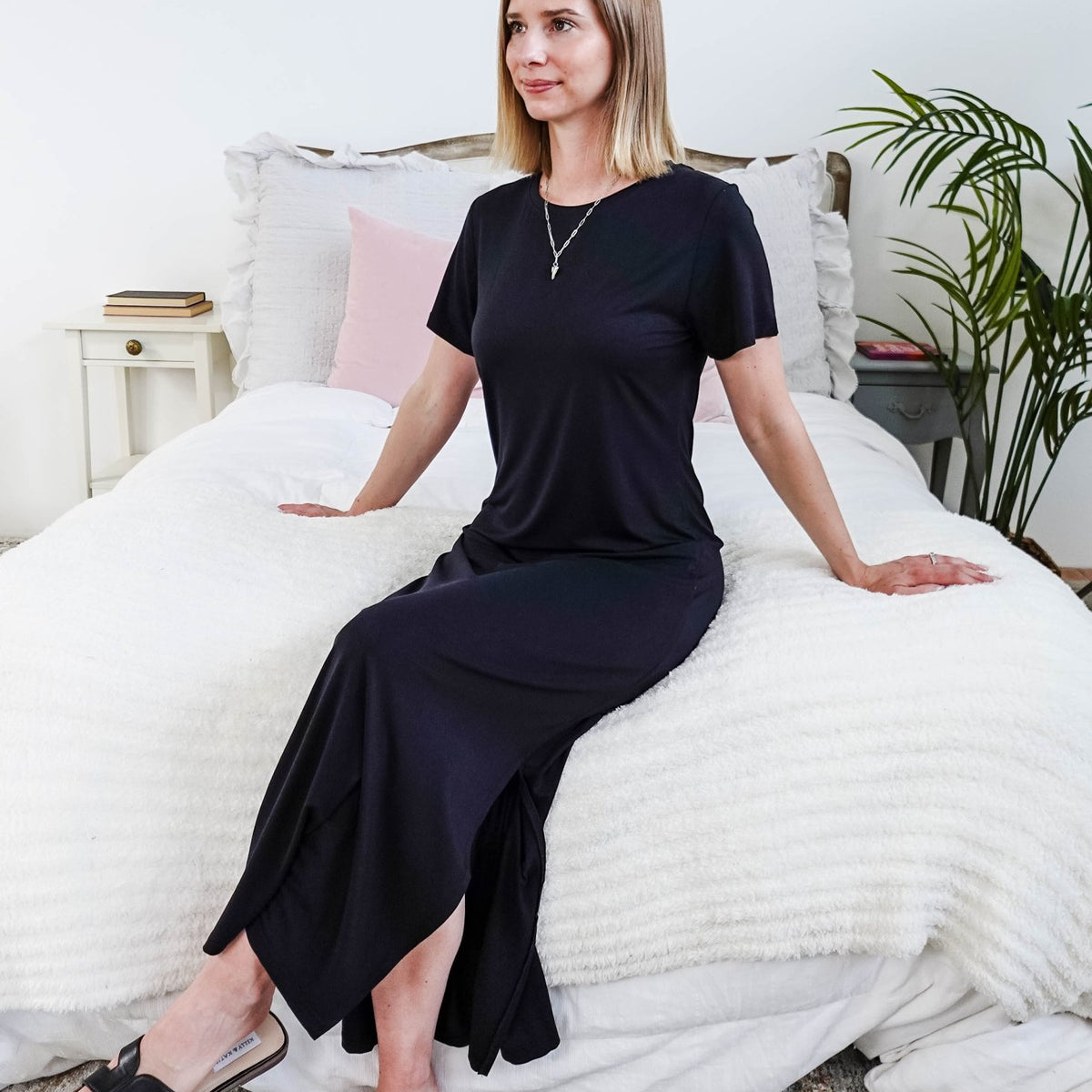
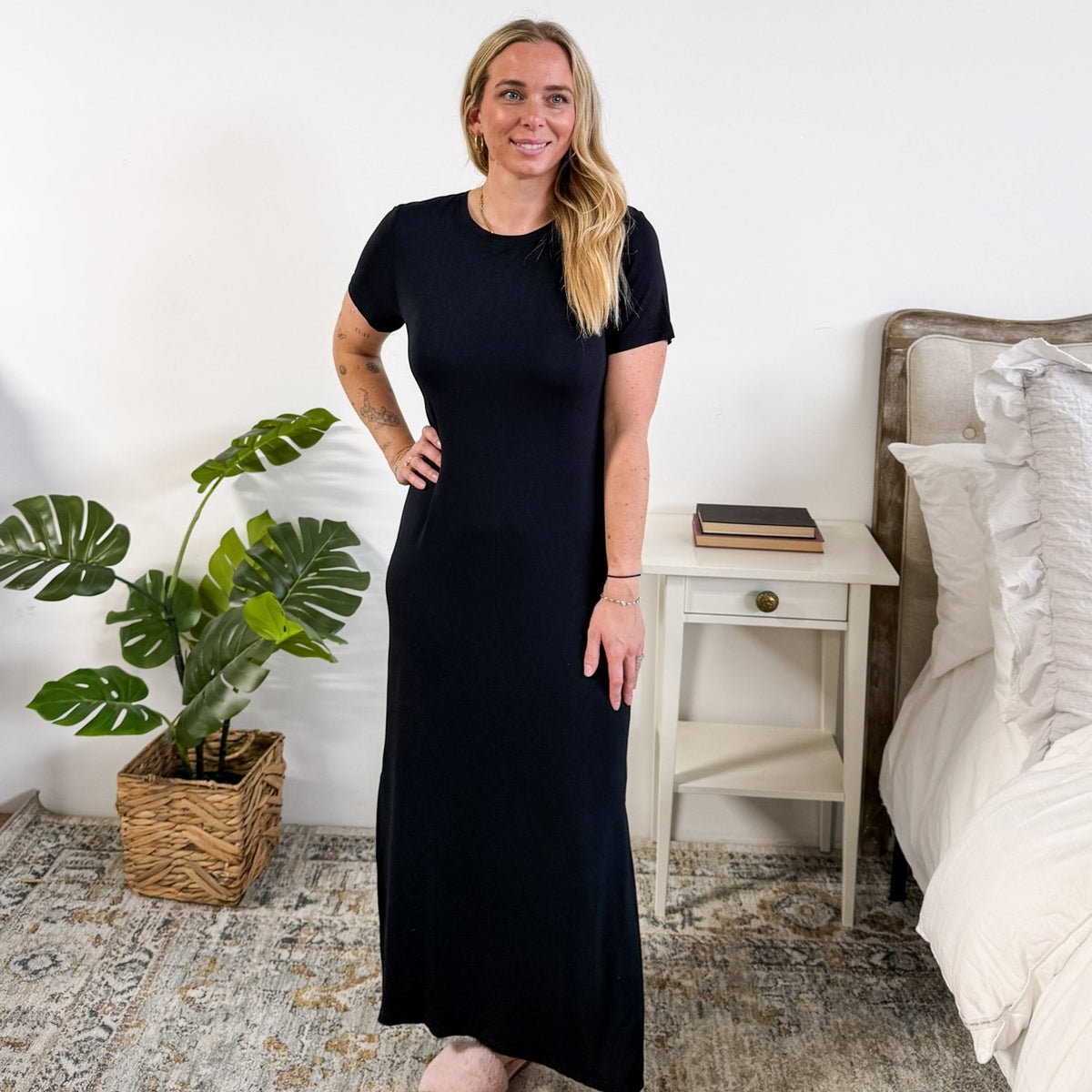
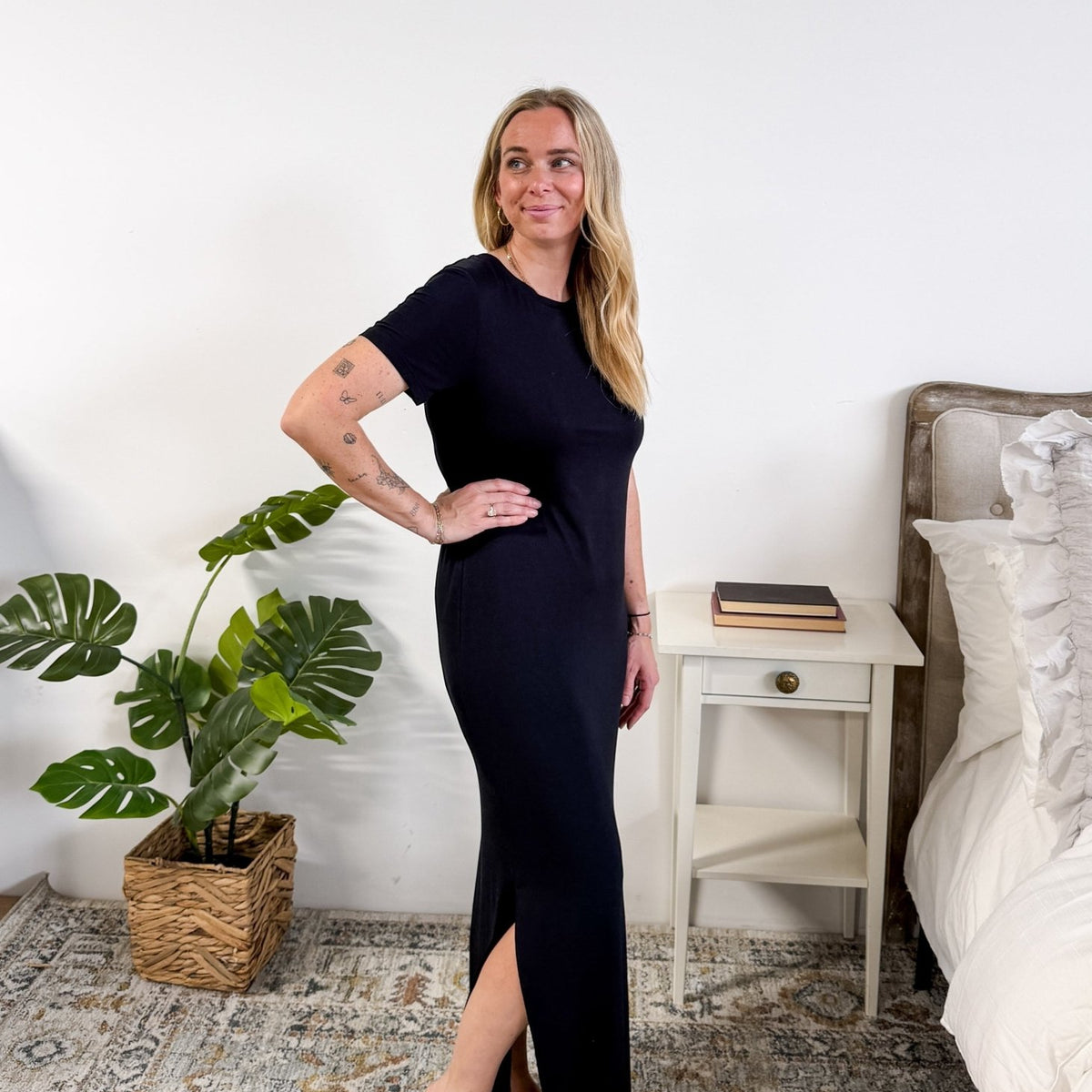
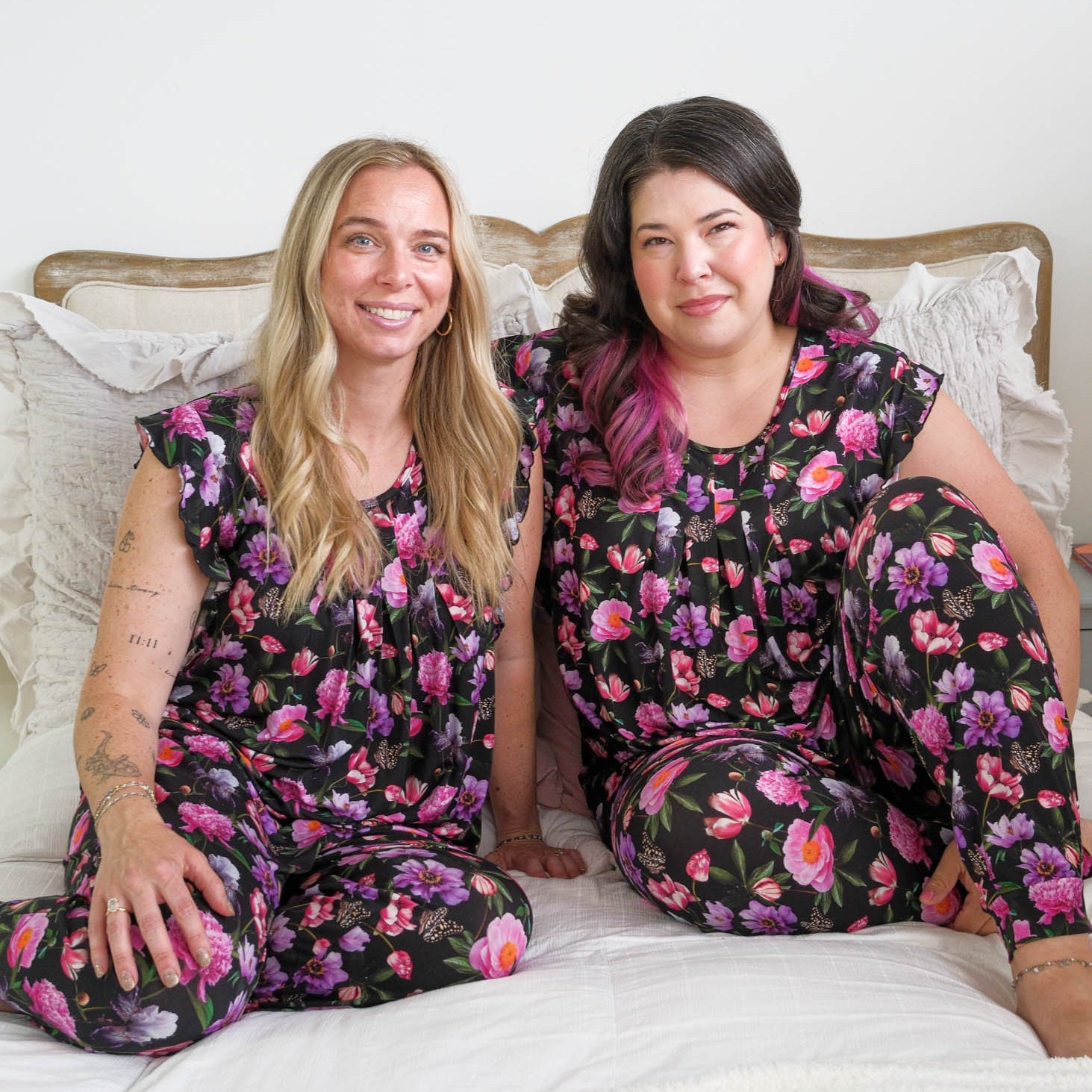
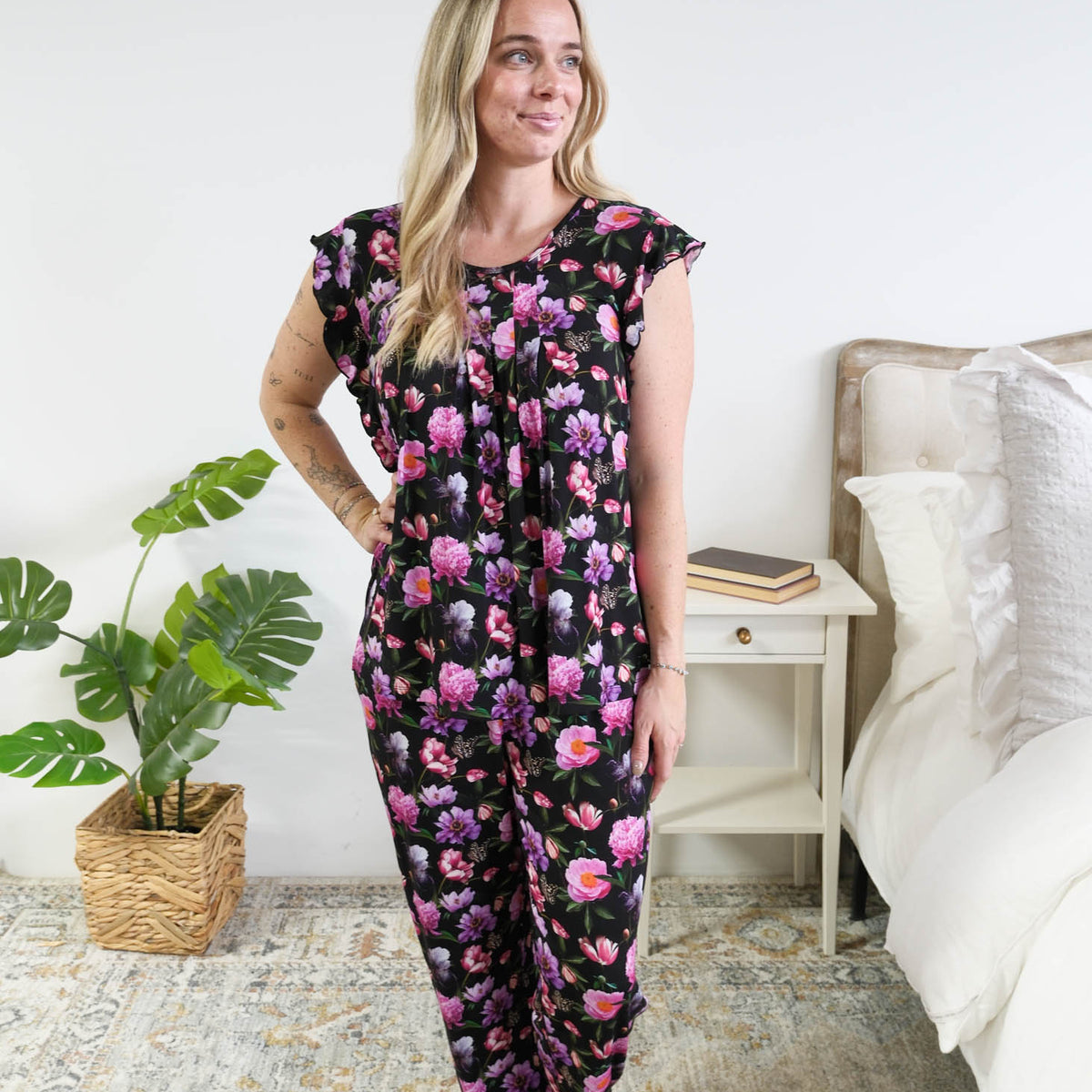
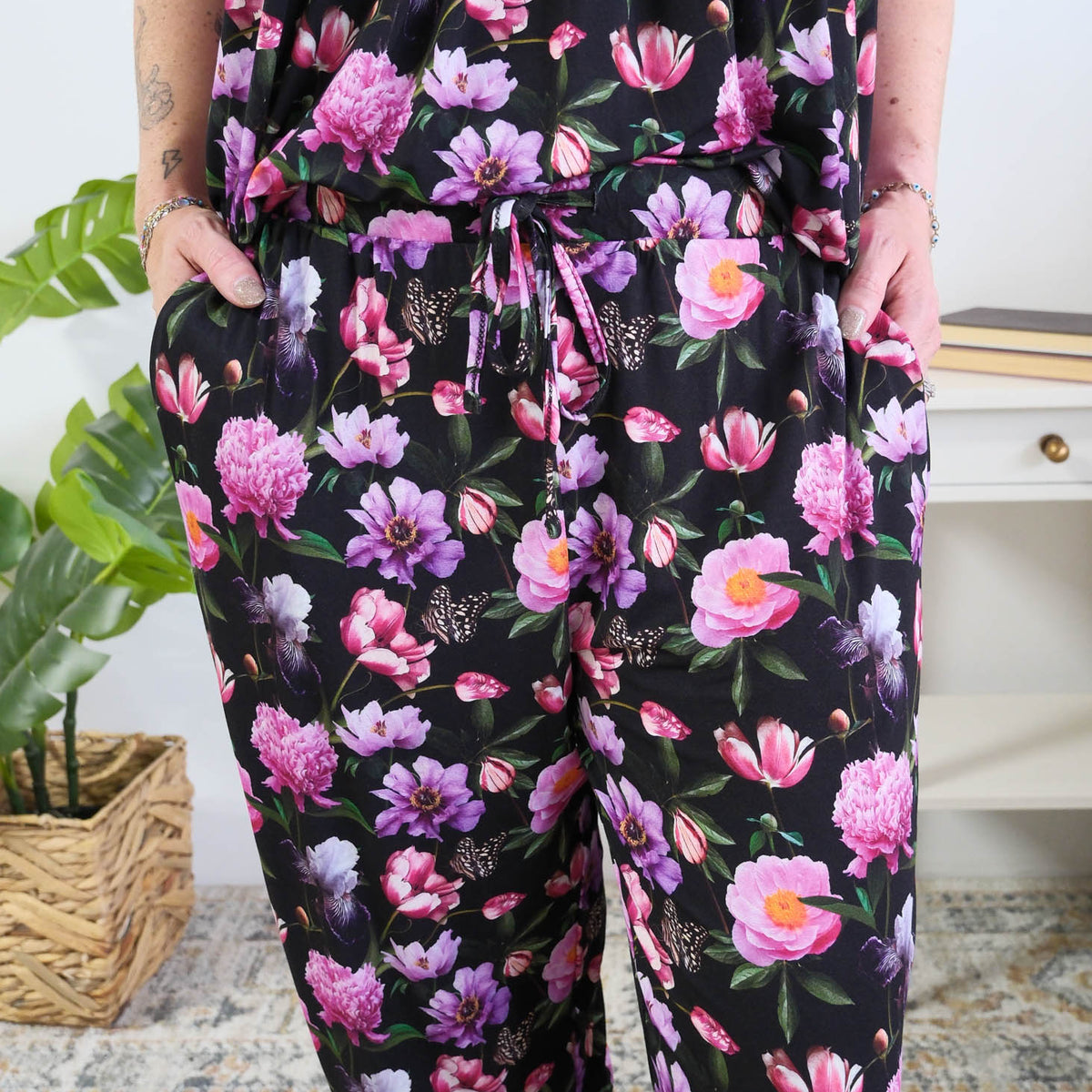
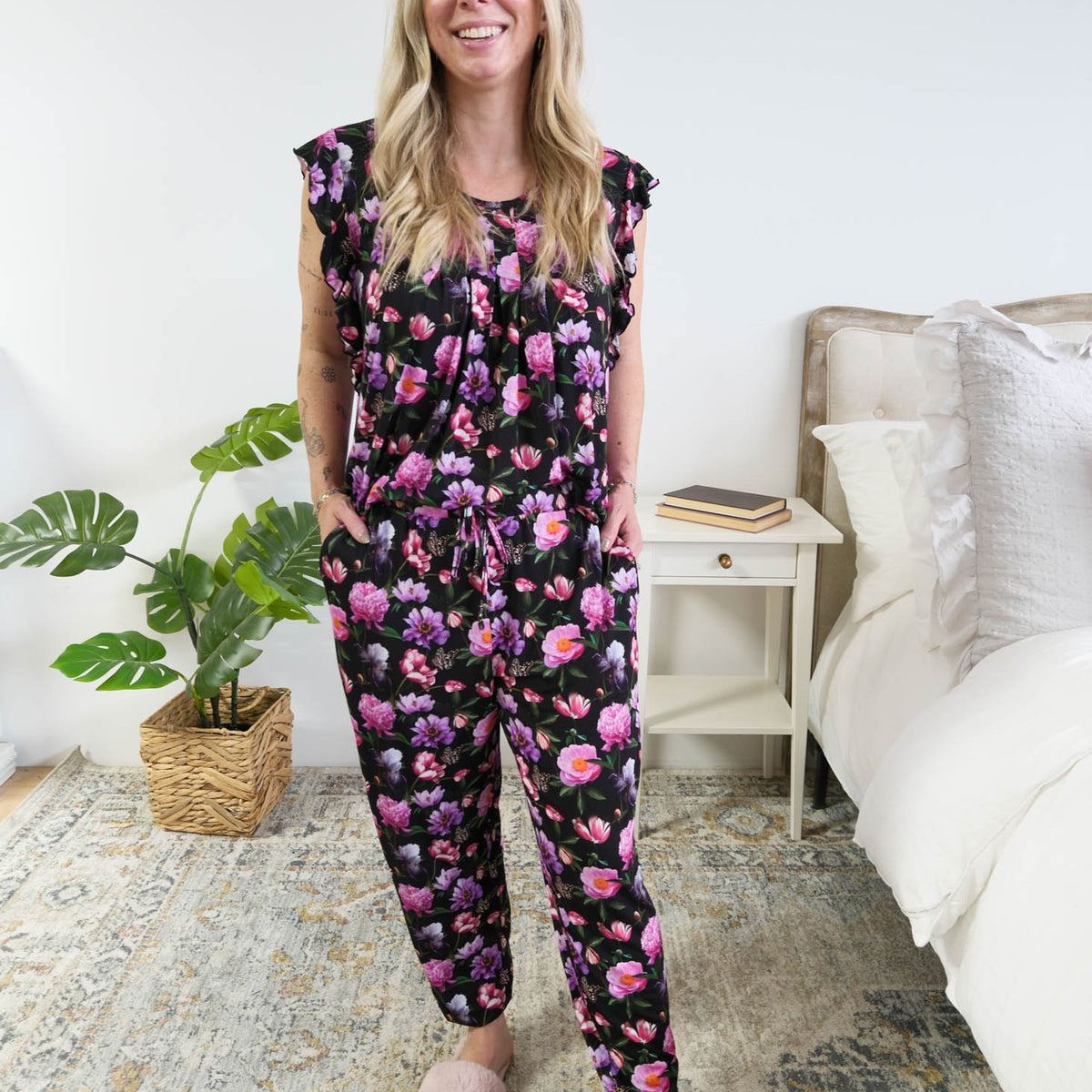
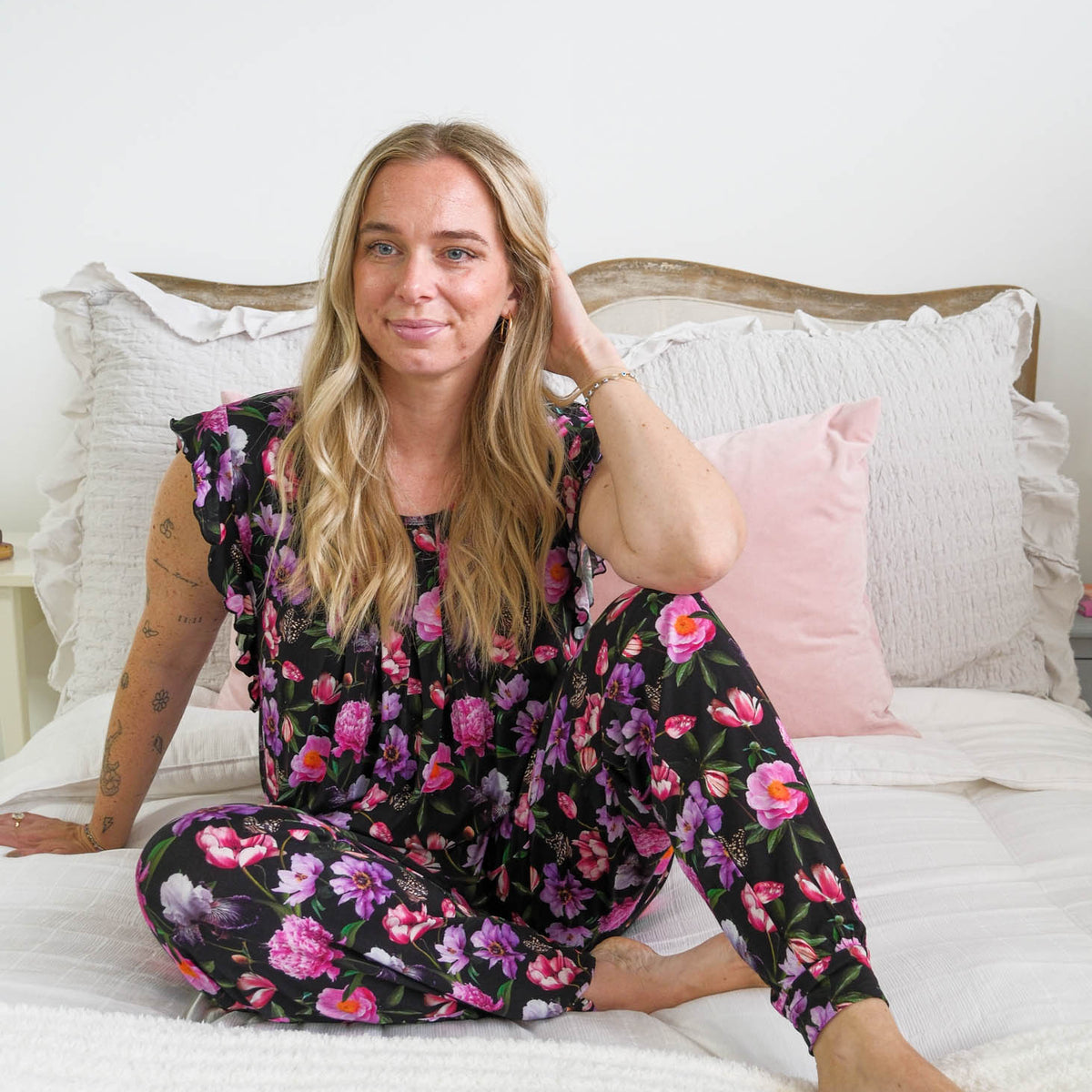
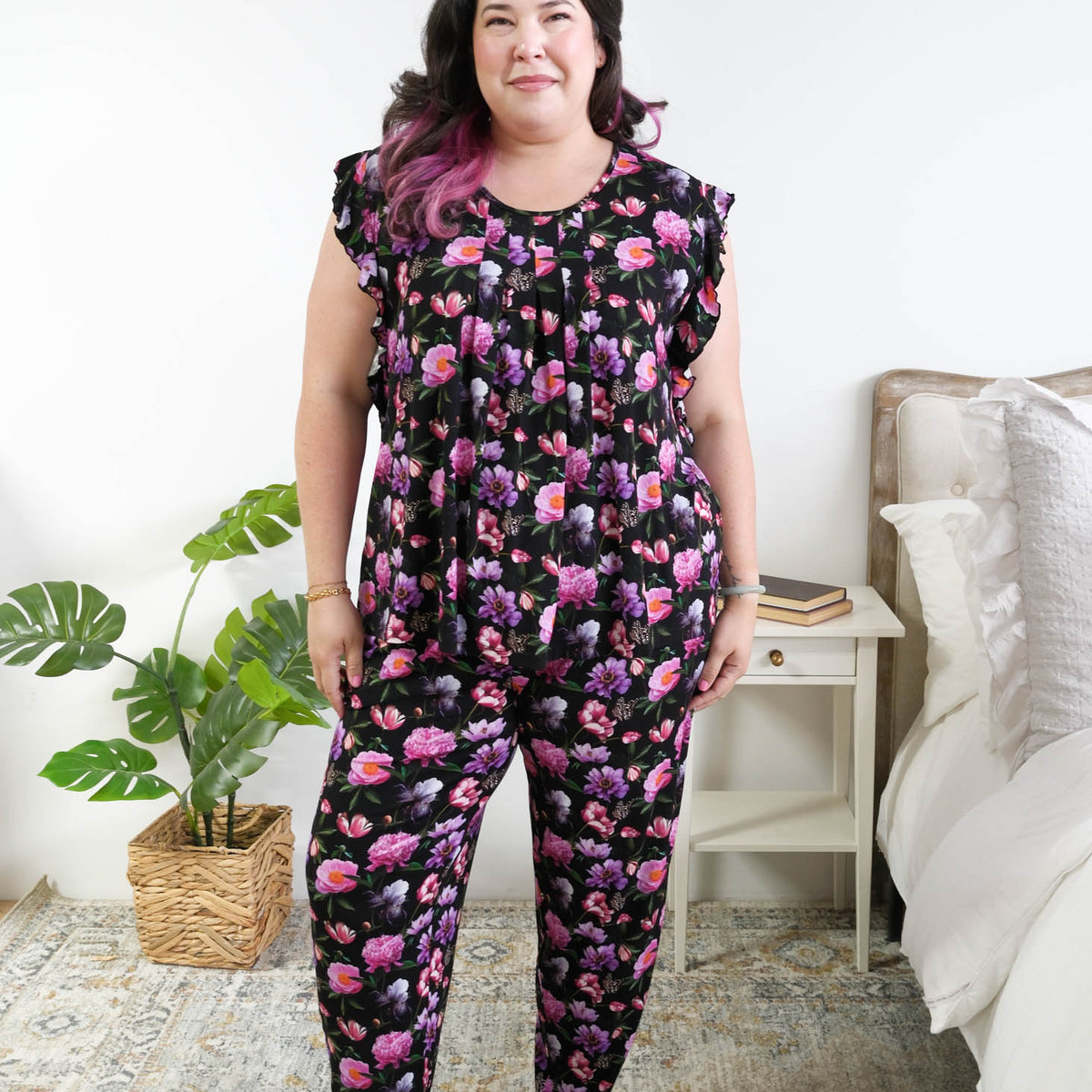
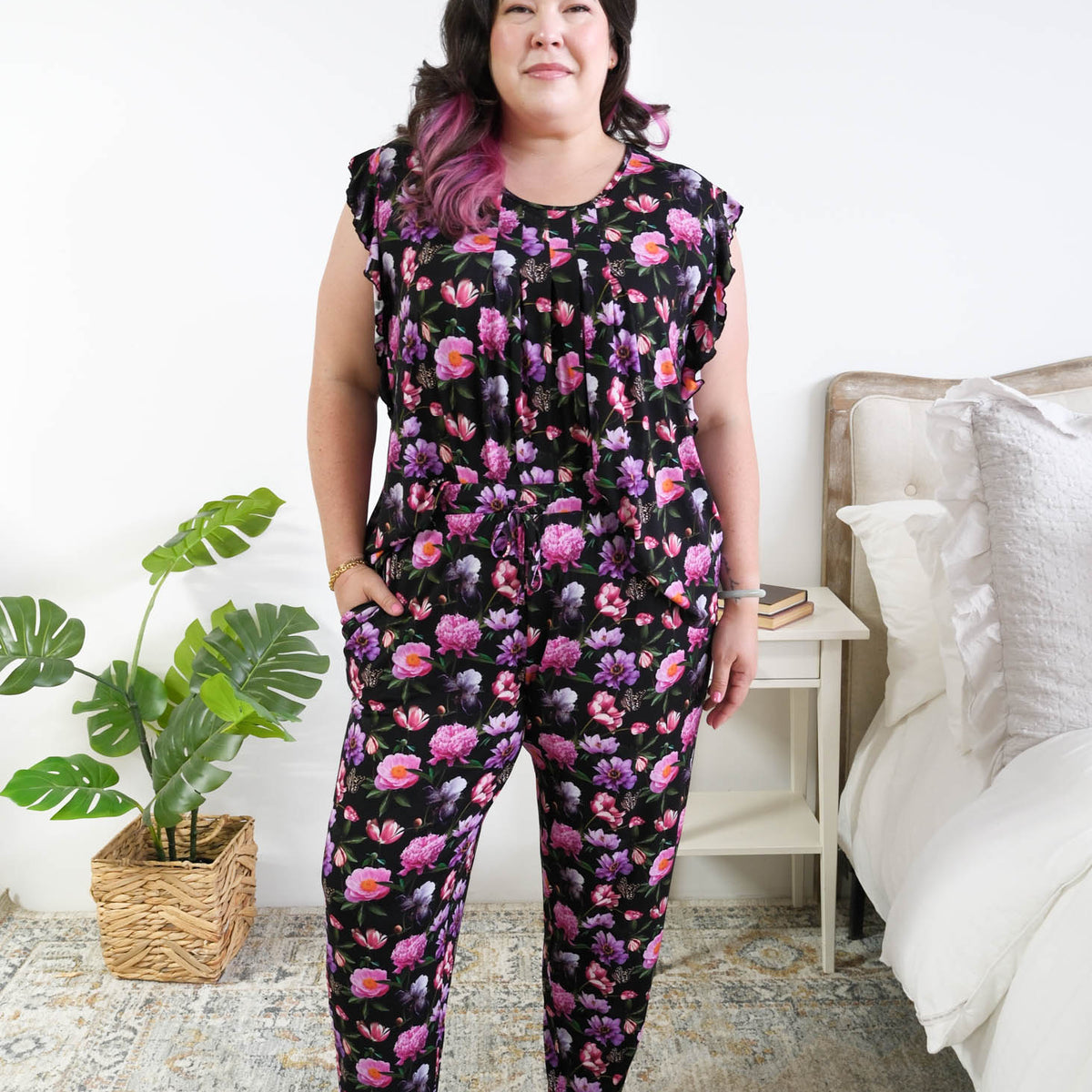
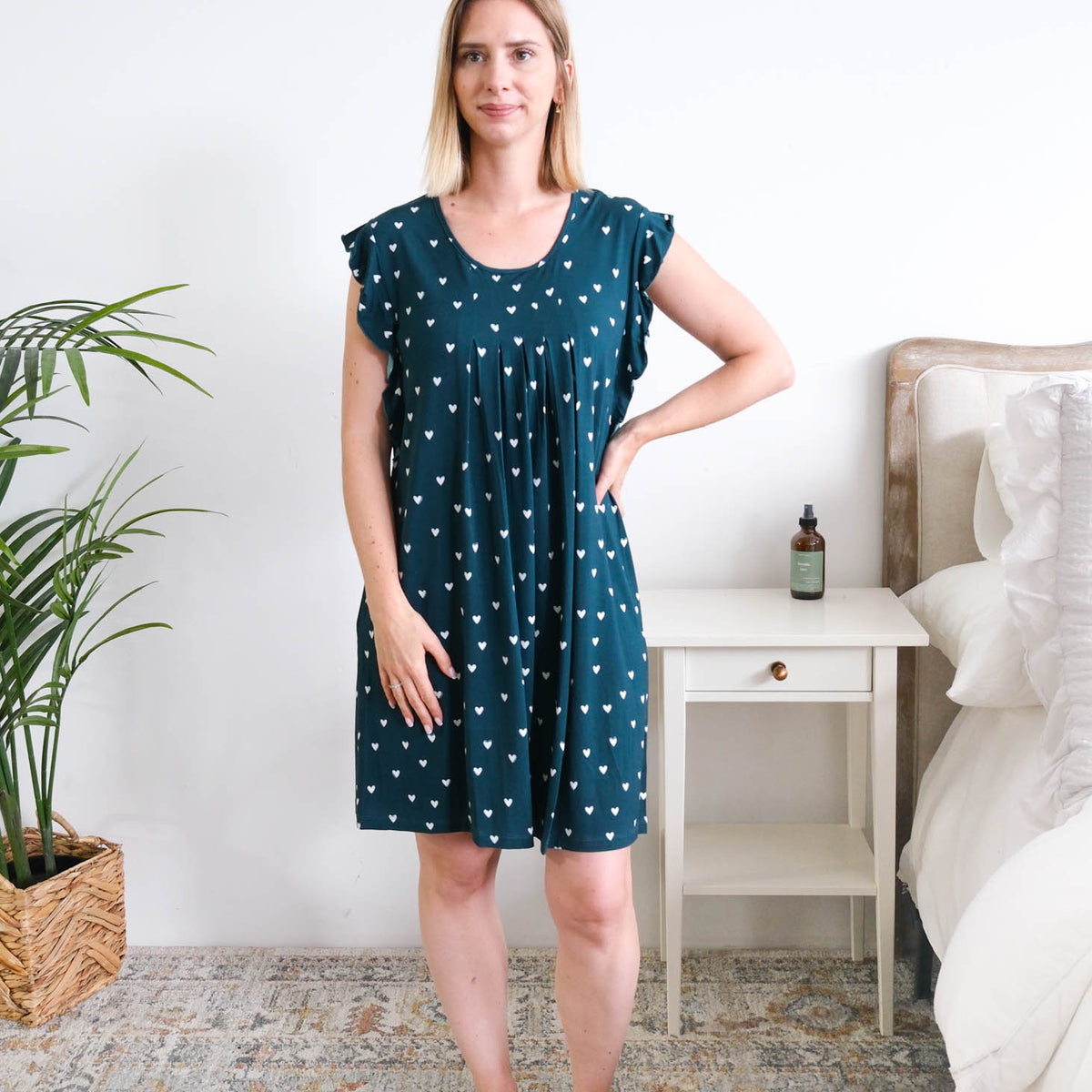
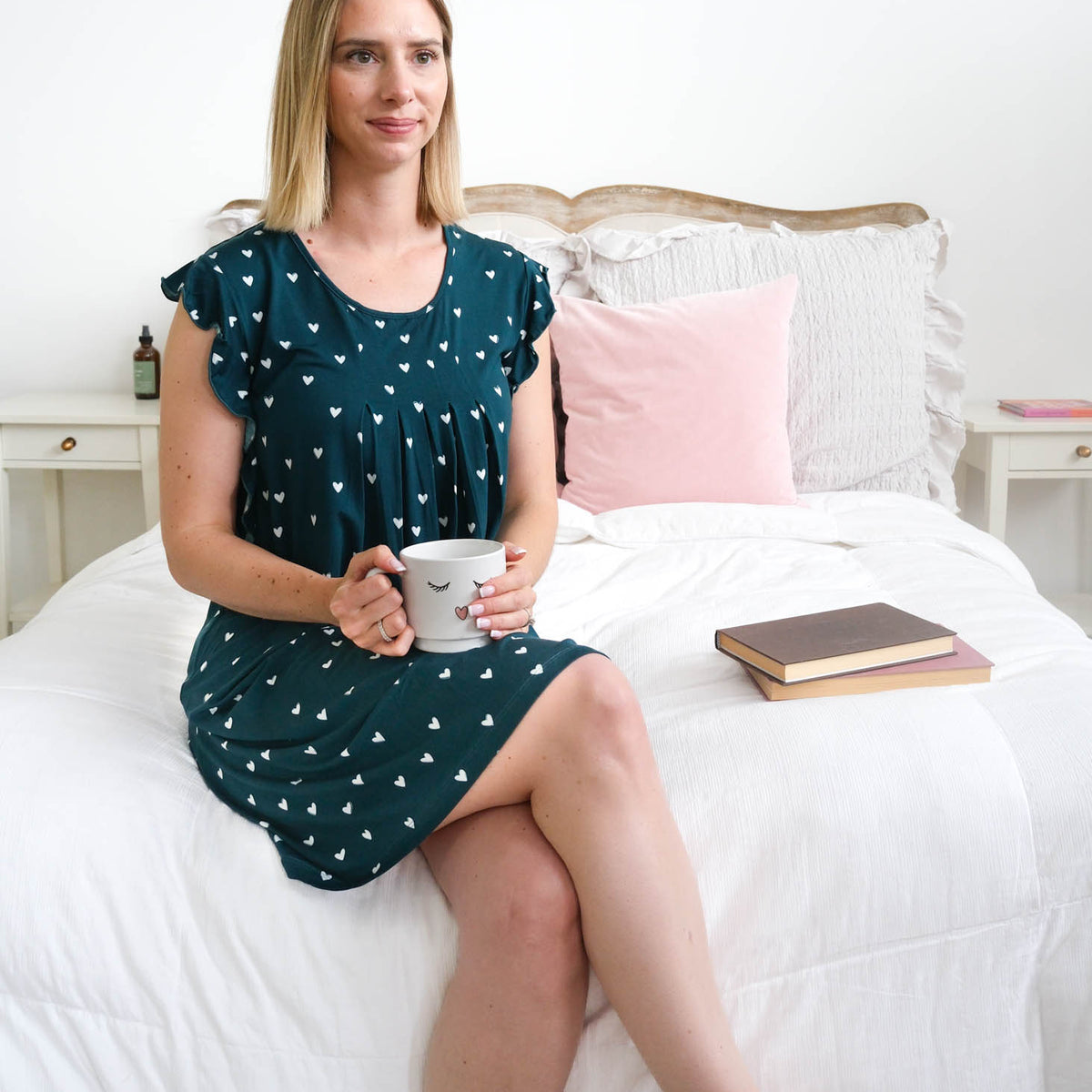
Every style from our two in-house lines, Georgia Rylan for her and Bob's Sleepwear Co. for him, is certified to OEKO-TEX® STANDARD 100, Product Class I. That covers our bamboo lounge sets, tees, joggers, dresses, robes, cardigans and more, right down to the thread and buttons. Our certificate number is 24.HCN.99443, and you can verify it on the OEKO-TEX® website anytime.
Browse everything that's certified in our OEKO-TEX® Certified Bamboo collection, or read more about the fabric itself in Why Bamboo?
Quick Questions
Is OEKO-TEX the same as organic?
No. STANDARD 100 tests for harmful substances. Organic is a separate certification about how the raw fibre is grown.
Does every Cloud Nine product have OEKO-TEX certification?
Our in-house Georgia Rylan and Bob's Sleepwear Co. styles are certified. Other brands we carry follow their own standards, so check each product page for details.
Why does Class I matter for adults?
It simply means the strictest limits apply. If you have sensitive skin, or you're shopping for someone who does, it's a reassuring standard to look for.